Sunday, May 28, 2023

Mirrorless Woes or Wows

Mirrorless Woes or Wows

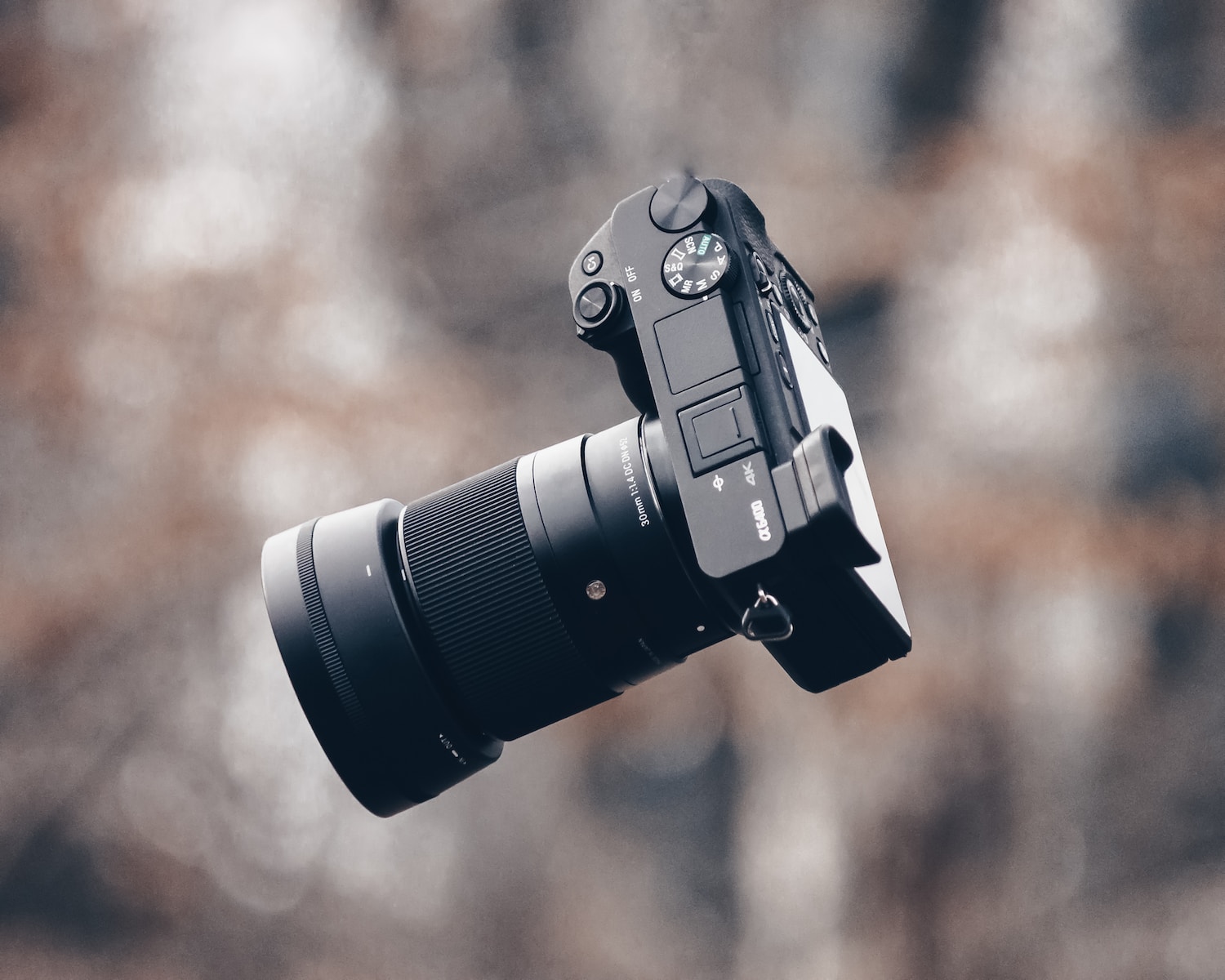
If you're looking for a mirrorless camera that delivers stunning performance, amazing features and incredible versatility, look no further than... Sony, of course it's Sony. Sony is the undisputed leader in the mirrorless camera market, offering a range of models that suit every need and budget for the most part. I'll show you why Sony is the best mirrorless camera out there and how it compares to Canon and Nikon, the previous flagship digital camera brands. Yes, even me, as a Canon Fanboy (not really, just all I've shot for the last 10 years now).


person holding black Sony DSLR camera on stairNot me at all, but even the older Sony A7 series are still better than some offerings today.

First of all, what is a mirrorless camera and why should you care? A mirrorless camera is a type of digital camera that does not have a mirror mechanism inside the body. Unlike a DSLR (digital single-lens reflex) camera. This means that the light coming through the lens goes directly to the image sensor. No mirrors or tricks!


Advantage Mirrorless


This has several advantages over a DSLR, such as:


- Smaller and lighter body: Without the bulky mirror and prism, a mirrorless camera can be much more compact and portable than a DSLR. This makes it easier to carry around and use in different situations.

- Faster and quieter shooting: Without the need to flip up and down the mirror every time you take a photo, a mirrorless camera can shoot faster and more quietly than a DSLR. This is great for capturing fast-moving subjects or shooting in discreet environments.

- More accurate autofocus: Because the image sensor is used for both focusing and metering, a mirrorless camera can achieve more accurate and consistent autofocus than a DSLR. This is especially true for video recording, where a mirrorless camera can track moving subjects smoothly and reliably.

- More creative options: A mirrorless camera can offer more creative options than a DSLR, such as using different lenses with adapters, shooting in high-resolution modes, or applying various effects and filters.

Now that you know what a mirrorless camera is and why it's awesome. Let's see why Sony is the best mirrorless camera brand out there. Sony has been at the forefront of innovation in the mirrorless camera industry. The launched the first full-frame mirrorless camera in 2013 (the Sony A7). Sony is constantly improving its technology and performance ever since. Some of the reasons why Sony is the best mirrorless camera brand are:


Advantage Sony


- Superior image quality: Sony's image sensors are widely regarded as the best in the business, delivering stunning image quality with high resolution, dynamic range, color accuracy and low noise. Whether you're shooting in bright daylight or low light. Sony's image sensors will capture every detail and nuance of your scene.

- Versatile lens selection: Sony's lens lineup for its mirrorless cameras is extensive and diverse, covering every focal length and aperture you could need. From wide-angle to telephoto, from macro to portrait, from zoom to prime, Sony has a lens for every occasion. And if that's not enough, you can also use third-party lenses from other brands with adapters, giving you even more options.

- Advanced features: Sony's mirrorless cameras are packed with advanced features that make your shooting experience easier and more enjoyable. Some of these features include:

- Eye autofocus: This feature automatically detects and focuses on the eyes of your subject, ensuring sharp and expressive portraits every time.

- Real-time tracking: This feature uses artificial intelligence to track your subject's movement across the frame, keeping them in focus even when they change speed or direction.

- Animal eye autofocus: This feature works like eye autofocus but for animals, allowing you to capture adorable photos of your furry friends.

- In-body image stabilization: This feature compensates for camera shake by moving the image sensor in sync with your movements, resulting in sharper images and smoother videos.

- 4K video recording: This feature allows you to record high-quality videos with four times the resolution of full HD, giving you more detail and clarity.

Advantage Sony's Wallet


So how does Sony compare to Canon and Nikon, the previous flagship digital camera brands? Canon and Nikon are well-known for their DSLR cameras, which have dominated the professional photography market for decades. However, they have been slow to adapt to the mirrorless camera revolution. Behind Sony in terms of innovation and performance. While they have recently launched their own full-frame mirrorless cameras (the Canon EOS R series and the Nikon Z series). They still have a lot of catching up to do with Sony. Some of the areas where Sony has an edge over Canon and Nikon are:


- Autofocus speed and accuracy: Sony's autofocus system is faster and more accurate than Canon's or Nikon's, especially in low light or complex situations. Sony's autofocus system also works better for video recording, while Canon's or Nikon's tend to hunt or lose focus.

- Battery life: Sony's battery life is longer than Canon's or Nikon's, allowing you to shoot more photos or videos without worrying about running out of power. Sony's batteries also charge faster than Canon's or Nikon's, saving you time and hassle.

- User interface: Sony's user interface is more intuitive. So much more user-friendly than Canon's or Nikon's, making it easier to access and adjust settings on your camera. Sony's user interface also offers more customization options than Canon's or Nikon's, letting you tailor your camera to your preferences.

As you can see, Sony is the best mirrorless camera brand out there. They are offering superior image quality, versatile lens selection and advanced features that surpass Canon's or Nikon's. Whether you're a beginner or a professional photographer. If you're into landscapes or portraits. whether you're into stills or videos. Sony has a mirrorless camera that will suit your needs and exceed your expectations.


You are going to pay a lot of money and that is ok for getting the best.


So what are you waiting for? Get yourself a Sony mirrorless camera today and unleash your creativity!


Me? I'm still probably getting an R7 because old habits die hard.


https://www.stefanglazer.com/photography/mirrorless-woes-or-wows/

Friday, May 26, 2023

The Top 5 Canon Portrait Lenses Are Too Expensive

The Top 5 Canon Portrait Lenses Are Too Expensive

If you are a portrait photographer, you know how important it is to have the right lens for your camera. A good portrait lens can make your subject stand out from the background, create a flattering perspective, and capture sharp details and beautiful bokeh. But with so many options available, how do you choose the best Canon lens for portraits?


In this blog post, we will review the 5 best Canon lenses for portrait photography, based on their focal length, aperture, image quality, autofocus, and other features. We will also give you some tips on how to use them effectively for different types of portraits.


However, I will also go ahead and give you the alternatives to these monsters of portrait photography.


Want the best Portrait Lenses? $$$


Here are the 5 best and most expensive Canon lenses for portrait photography:


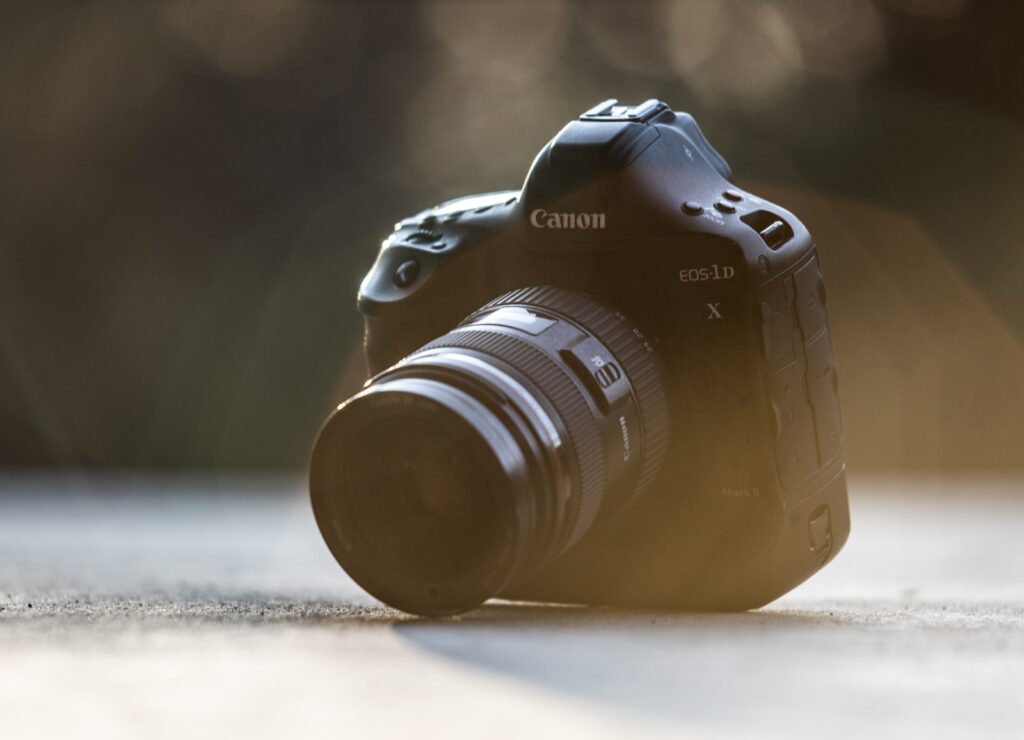
- Canon EF 85mm f/1.2L II USM
This is one of the most popular and praised portrait lenses among Canon users. It has a classic 85mm focal length that is ideal for headshots and close-up portraits, as it creates a natural and flattering perspective without distorting the facial features. It also has a very fast f/1.2 aperture that allows you to shoot in low-light conditions and create a shallow depth of field with stunning bokeh. The image quality is superb, with sharp details, accurate colors, and minimal chromatic aberration. The autofocus is fast and silent, thanks to the USM (Ultrasonic Motor) technology. The lens also has a durable and weather-sealed construction, making it suitable for outdoor use. The only drawbacks of this lens are its hefty weight (1025g) and high price tag.

- Canon RF 50mm f/1.2L USM
If you have a Canon mirrorless camera with an RF mount, this is one of the best portrait lenses you can get. It has a versatile 50mm focal length that can be used for full-body, half-body, or headshot portraits, depending on your distance from the subject. It also has an ultra-fast f/1.2 aperture that enables you to capture stunning portraits with creamy bokeh. Smooth transitions between in-focus and out-of-focus areas. The image quality is outstanding, with sharp details across the frame, even at wide apertures. The autofocus is quick and accurate, thanks to the USM technology and the customizable control ring on the lens barrel. The lens also has a robust and weather-resistant design, making it reliable and durable.

- Sigma 105mm f/2.8 DG DN Macro Art
This is a third-party lens from Sigma that is compatible with Canon EF and RF mounts (with an adapter). It is a macro lens that can also double as a portrait lens, thanks to its 105mm focal length that is perfect for tight headshots and close-up details. It has a fast f/2.8 aperture that allows you to isolate your subject from the background and create beautiful bokeh. The image quality is excellent, with sharp details, vivid colors, and minimal distortion or aberration. The autofocus is smooth and quiet, thanks to the HSM (Hyper Sonic Motor) technology. The lens also has an optical image stabilization system that helps you avoid camera shake and blur when shooting handheld. The lens also has a solid and sleek design, with a metal barrel and a rubberized focus ring.

- Canon EF 24-70mm f/2.8L II USM
This is one of the most versatile and useful lenses for any photographer, as it covers a wide range of focal lengths from wide-angle to telephoto. It can be used for various types of portraits, from environmental to group to individual portraits, depending on your zoom setting and distance from the subject. It has a fast f/2.8 aperture that remains constant throughout the zoom range, giving you consistent exposure and depth of field control. The image quality is superb, with sharp details, rich colors, and minimal distortion or aberration. The autofocus is fast and silent, thanks to the USM technology. The lens also has a sturdy and weather-sealed construction, making it suitable for harsh environments.

- Canon EF 70-200mm f/2.8L IS III USM
This is another versatile and powerful zoom lens that can be used for portrait photography, especially if you want to shoot from a distance or compress the perspective for a more dramatic effect. It has a long telephoto range from 70mm to 200mm that can be used for headshots, half-body shots, or full-body shots, depending on your zoom setting and distance from the subject. It also has a fast f/2.8 aperture that remains constant throughout the zoom range, giving you consistent exposure and depth of field control. The image quality is superb, with sharp details, vibrant colors, and minimal distortion or aberration. The autofocus is fast and silent. Thanks to the USM technology. The lens also has an optical image stabilization system that helps you avoid camera shake and blur when shooting handheld or in low-light conditions.
The lens also has a robust and weather-resistant design.

However, these all break the bank in most cases.


Let's Save Some Money


Here are great alternatives to the top tier expensive lenses. They are literally just as good, sometimes, even better than their top tier counterparts. When you get to a point where the quality is nearly the same, for over a thousand dollars less sometimes! That's better in my opinion. However, I will say Sigma's 105mm is still in a class of it's own.


Canon 85mm f/1.8


This is a prime lens that offers a fast aperture of f/1.8, which is ideal for low-light situations and creating beautiful bokeh effects. The 85mm focal length is perfect for portraits, as it produces flattering results without distorting the subject's features. The lens also has a USM (Ultrasonic Motor) that provides fast and quiet autofocus, and a manual focus override for more control.


Canon 50mm f/1.8


This is another prime lens that is often referred to as the "nifty fifty" because of its versatility and affordability. The 50mm focal length is close to the human eye's perspective. It is suitable for a variety of genres, such as street photography, landscapes, and events. The f/1.8 aperture allows you to capture sharp images in low light and isolate your subject from the background. The lens is also compact and lightweight, making it easy to carry around.


Sigma 24-70mm f/2.8 DG OS HSM Canon


This is a zoom lens that covers a wide range of focal lengths, from wide-angle to telephoto. The constant aperture of f/2.8 ensures consistent performance throughout the zoom range. The OS (Optical Stabilizer) helps to reduce camera shake and blur. The lens also has a HSM (Hyper Sonic Motor) that delivers fast and accurate autofocus, and a weather-sealed construction that protects it from dust and moisture.


Tamron 18-400mm F/3.5-6.3 DI-II


This is a superzoom lens that offers an incredible 22.2x zoom ratio, making it the ultimate all-in-one lens for travel and wildlife photography. The lens can cover everything from wide-angle to super-telephoto. Giving you the flexibility to capture any scene without changing lenses. The lens also has a VC (Vibration Compensation) system that compensates for camera shake up to 2.5 stops, and a zoom lock mechanism that prevents the lens from extending when not in use.


Go get a lens to up your portrait game!


https://www.stefanglazer.com/photography/top-5-canon-portrait-lenses/

Monday, May 22, 2023

The Jump to Mirrorless Shouldn't Be So Scary

The Jump to Mirrorless Shouldn't Be So Scary

I feel behind the times, we've had Mirrorless cameras now for a while and Sony paved the way to a beautiful sensor and ability to capture so much more without having all those crazy moving parts of a DSLR.


So, why, in 2023, am I sitting here with my old workhorse? My Canon 7d Mk ii, who, since I have obtained her, has been at the forefront of all my photoshoots, art shoots, and fun shoots. It is literally my workhorse that I use for nearly everything. Why do I hold onto it? It's still a great crop sensor camera, it has over 20k shots on the sensor and has near perfect recreation of what I am shooting.


Seriously, they retired this camera, and it makes me sad as I've heard stories of 5d mk iv cameras locking up at 10k shots, which for a body that costs almost 3 times as much as the 7d mk ii. I have to stick by my workhorse, because I love her.


To Retire or Not


Or do I?


What do I do? Do I finally retire the 7d Mk ii?


It's time to retire the old girl... maybe

No, I look at my old Canon T5, it doesn't collect dust. It's a camera I use still, I hook it up to my telescope to attempt astrophotography, I use a dummy battery to shoot b-roll video on a tripod at events, it never retired.


So, what should do?


Transition the 7d to my video camera.


But then, I look at my lenses I have gathered over the years, specific to Canon, moreso, specific to a DSLR.


There are adapters, but what if I don't want to go Canon for this? Let's layout the pros and cons of each Body/Company and figure out where to go for my Mirrorless jump.


Too Many Choices in Mirrorless


Canon


M50 Mkii
M6 MKii
R10
RP
R
R7
R6
R5
R3


They didn't make it easy, did they. But what about the other brands out there, first let's look at the flagship of Mirrorless, Sony. Sony is light years ahead of everyone in the mirrorless game, so let's see their lineup.


Full Frame: A1, A7C, A9 II, A9, A7R V, A7R IVA, A7R III, A7S III, A7S II, A7s, A7 IV, A7 III, A7 II, A7
APS-C: ZV-E10, A6600, A6500, A6400, A6100, A6000, A5100


Nikon


DX (1.5x Crop Sensor) Cameras
Nikon Z50
Nikon Zfc
Nikon Z30
FX (Full Frame) Cameras
Nikon Z5
Nikon Z6
Nikon Z7
Nikon Z6 II
Nikon Z7 II
Nikon Z9


That's literally just 3 Brands of cameras.  So, what do you do in a situation like this?  Why is it so scary to jump from DSLR to Mirrorless when you've invested so much time and money into one silo of photography? Let's really break it down shall we?


Understanding Mirrorless


If you have been using a DSLR camera for years, you might be wondering if it's time to switch to a mirrorless camera platform. After all, mirrorless cameras are becoming more popular and advanced, and they offer some advantages over DSLRs that are hard to ignore. In this article, we will explain why moving to a mirrorless camera platform is the right thing to do after all these years using a DSLR. We will also show you some points that, hands down, mirrorless is the future of photography. Finally, we will include information on the best entry level, mid range, and professional options available compared to their DSLR counterparts.


One of the main differences between DSLRs and mirrorless cameras is the presence or absence of a mirror inside the camera body. A DSLR has a mirror that reflects the light coming from the lens to an optical viewfinder, where you can see what the lens sees. A mirrorless camera, on the other hand, has no mirror and uses an electronic viewfinder or a rear screen to display the image captured by the sensor. This has several implications for the design and performance of the cameras.


Lighter? Count me in!


First of all, mirrorless cameras are generally smaller and lighter than DSLRs, because they don't need a mirror mechanism and a pentaprism. This makes them more portable and comfortable to carry around, especially for travel or long shoots. For example, the Sony A7C , a full-frame mirrorless camera, weighs only 509g with battery and memory card, while the Nikon D780 , a full-frame DSLR, weighs 840g with battery and memory card. I know my 7dMK II with a 18-300mm Sigma Macro Lens weighs in at an incredible 12 pounds. Yes, 12 pounds, that you have strapped around your neck or in your hand all the time.


Better tech Equals better Focus


Secondly, mirrorless cameras have faster and more accurate autofocus systems than DSLRs, because they use phase-detection pixels on the sensor instead of a separate autofocus module. This means that they can track moving subjects better, cover more of the frame with focus points, and focus in low-light situations more easily. For example, the Canon EOS R6 , a full-frame mirrorless camera, has 6,072 autofocus points that cover 100% of the frame, while the Canon EOS 6D Mark II , a full-frame DSLR, has only 45 autofocus points that cover 80% of the frame.


Do it LIVE with Mirrorless BETTER.


Thirdly, mirrorless cameras have better live view and video capabilities than DSLRs, because they use the sensor to create an electronic image that can be displayed on the screen or in the viewfinder. This means that they can show you exactly what the final image will look like before you take it, with accurate exposure, white balance, and depth of field preview. They can also record video with higher resolution, frame rate, and dynamic range than most DSLRs. For example, the Panasonic Lumix S5 , a full-frame mirrorless camera, can record 4K video at 60fps with 14 stops of dynamic range, while the Nikon D850 , a full-frame DSLR, can record 4K video at 30fps with 12 stops of dynamic range.


These are just some of the reasons why moving to a mirrorless camera platform is the right thing to do after all these years using a DSLR. Mirrorless cameras offer more features and performance in a smaller and lighter package than DSLRs. They are also more future-proof and compatible with newer technologies and accessories than DSLRs.


So, what to pick in the jump?


If you are ready to make the switch from DSLR to mirrorless, you might be wondering which camera model to choose. There are many options available in different price ranges and specifications. Here are some of our recommendations for the best entry level, mid range, and professional options available compared to their DSLR counterparts.


Entry level: If you are looking for an affordable and easy-to-use mirrorless camera that can still deliver great image quality and performance,


If you're looking for a new camera, you might be wondering which type of camera is best for you. DSLRs used to be the go-to choice for many photographers, but mirrorless cameras have become increasingly popular in recent years. Mirrorless cameras offer some advantages over DSLRs, such as smaller size, lighter weight, faster autofocus, and more accurate exposure preview. But how do you choose the best mirrorless camera for your needs and budget? In this blog post, we'll help you create a listing of the best entry level, mid range, and professional mirrorless camera options available.


Choices for every level:


Entry level mirrorless cameras are ideal for beginners who want to learn the basics of photography without spending too much money. They usually have simple controls, user-friendly interfaces, and decent image quality. Some of the best entry level mirrorless cameras are:


- Canon EOS R10: This is Canon's newest and most affordable mirrorless camera, featuring a 24MP APS-C sensor, a vari-angle touchscreen, and 4K video recording. It also has a built-in electronic viewfinder (EVF) and a microphone jack for vlogging. It uses Canon's RF mount, which has a wide range of lenses available.

- Olympus OM-D E-M10 Mark IV: This is a compact and stylish mirrorless camera with a 20MP Micro Four Thirds sensor, a tilting touchscreen, and 4K video recording. It also has in-body image stabilization (IBIS), which helps reduce camera shake in low-light situations. It uses Olympus' M.Zuiko lenses, which are small and lightweight.

- Fujifilm X-T30 II: This is a retro-looking mirrorless camera with a 26MP APS-C sensor, a tilting touchscreen, and 4K video recording. It also has an EVF and a joystick for quick autofocus selection. It uses Fujifilm's X-mount lenses, which are known for their high quality and unique character.

Mid range mirrorless cameras are suitable for enthusiasts who want more advanced features and performance than entry level models. They usually have higher resolution sensors, faster burst shooting, better autofocus systems, and more robust build quality. Some of the best mid range mirrorless cameras are:


- Nikon Z50: This is Nikon's first mirrorless camera with an APS-C sensor, featuring a 21MP sensor, a tilting touchscreen that can flip down for selfies or vlogging, and 4K video recording. It also has an EVF and a deep grip for comfortable handling. It uses Nikon's Z-mount lenses, which have a large diameter and short flange distance for optimal image quality.

- Fujifilm X-S10: This is a versatile and ergonomic mirrorless camera with a 26MP APS-C sensor, a vari-angle touchscreen, and 4K video recording. It also has IBIS, which is rare for Fujifilm cameras, and a mode dial for easy exposure control. It uses Fujifilm's X-mount lenses as well.

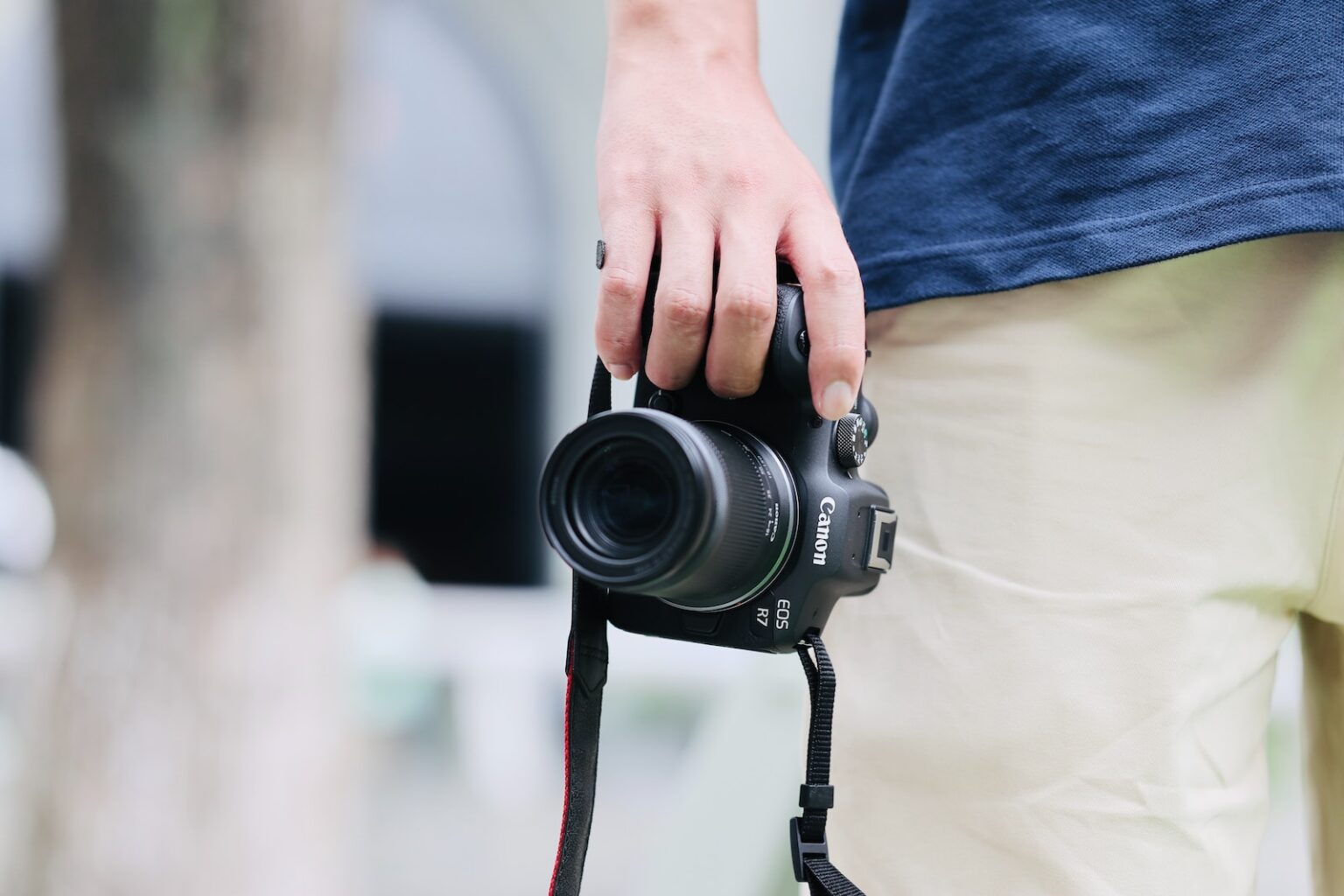
- Canon EOS R7: This is Canon's latest mirrorless camera with an APS-C sensor, featuring a 32MP sensor, a vari-angle touchscreen, and 4K video recording. It also has an EVF and dual card slots for backup or overflow storage. It uses Canon's RF mount lenses as well.

Professional mirrorless cameras are designed for experts who demand the best image quality and performance possible. They usually have full-frame sensors, which offer better dynamic range, low-light performance, and depth of field control than smaller sensors. They also have more durable bodies, longer battery life, and more advanced video features. Some of the best professional mirrorless cameras are:


- Sony A7 IV: This is Sony's newest flagship mirrorless camera with a full-frame sensor, featuring a 33MP sensor, a vari-angle touchscreen, and 4K video recording up to 60 fps without cropping. It also has IBIS, dual card slots, and an improved autofocus system that can track eyes and faces of humans and animals in stills and video. It uses Sony's E-mount lenses, which have the widest selection among full-frame mirrorless systems.

- Nikon Z 6II: This is Nikon's second-generation mirrorless camera with a full-frame sensor, featuring a 25MP sensor, a tilting touchscreen, and 4K video recording up to 60 fps with a slight crop. It also has IBIS, dual card slots (one CFexpress Type B and one SD), and dual processors for faster performance. It uses Nikon's Z-mount lenses as well.

- Canon EOS R6 Mark II: This is Canon's second-generation mirrorless camera with a full-frame sensor...

You know what, this is getting incredibly convoluted for me.


I CHOOSE YOU R7-chu!


If you are a Canon user like me, you might be wondering whether to go for the Canon EOS R7 or the Canon 7D Mark II. Both cameras are designed for fast action and wildlife photography, but they have some key differences that might affect your decision. In this blog post, I will talk about the Canon EOS R7 and compare it to the Canon 7D Mark II, and explain why choosing the R7 is the way to go for the jump to mirrorless.


The Canon EOS R7 is the first APS-C camera in the EOS R system, which means it uses a smaller sensor than full-frame cameras, but also has a crop factor of 1.6x that effectively increases the reach of your lenses. For example, a 100mm lens on the R7 will give you a 160mm equivalent field of view, which is great for getting closer to your subjects without losing image quality.


The Canon 7D Mark II is also an APS-C camera, but it uses the older EF mount, which means it can only use EF and EF-S lenses natively. The R7, on the other hand, uses the new RF mount, which offers a wider range of lenses, including some designed specifically for APS-C cameras, such as the RF-S series. The R7 can also use EF and EF-S lenses with an adapter, giving you more flexibility and compatibility.


Big Advantages in a Platform


One of the main advantages of the R7 over the 7D Mark II is its resolution. The R7 has a 32.5-megapixel sensor, which is the highest among APS-C cameras on the market. This means you can capture more details and crop more freely without losing sharpness. The 7D Mark II has a 20.2-megapixel sensor, which is still decent, but not as impressive as the R7.


Another advantage of the R7 is its speed. The R7 can shoot up to 30 frames per second with electronic shutter, or 15 frames per second with mechanical shutter. The 7D Mark II can only shoot up to 10 frames per second with mechanical shutter. The R7 also has a larger buffer capacity, which means it can shoot more images before slowing down. It can shoot up to 250 RAW images or unlimited JPEG images in a burst, while the 7D Mark II can only shoot up to 31 RAW images or 1090 JPEG images in a burst.


The R7 also has a better autofocus system than the 7D Mark II. It uses Dual Pixel CMOS AF II, which covers almost the entire sensor area with 651 focus points. The eye and face detection for both humans and animals, which makes it easier to track and focus on your subjects (perfect for pet photographers). The 7D Mark II uses Dual Pixel CMOS AF as well, but only for live view and video shooting. For viewfinder shooting, it uses a separate phase-detection system with 65 cross-type points, which covers a smaller area of the sensor.


The R7 also has some advantages in video shooting over the 7D Mark II. It can record 4K video at up to 60 frames per second, or Full HD video at up to 120 frames per second. The R7 also uses oversampling from a 7K sensor readout to produce high-quality 4K video with minimal moiré and aliasing. The 7D Mark II can only record Full HD video at up to 60 frames per second, and does not have oversampling or slow-motion capabilities.


Additional R7 Bonus Features


The R7 also has some features that the 7D Mark II lacks, such as in-body image stabilization (IBIS), which can compensate for up to 8 stops of camera shake when used with compatible lenses. It also has an articulating touchscreen LCD, which makes it easier to compose shots from different angles and control settings. The R7 also has Wi-Fi and Bluetooth connectivity, which enables wireless remote control and image transfer via a smartphone app.


The only areas where the 7D Mark II might have an edge over the R7 are battery life and durability. The 7D Mark II has a larger battery that can last for up to 670 shots per charge, while the R7 has a smaller battery that can last for up to 440 shots per charge. The 7D Mark II also has a more robust magnesium alloy body that is weather-sealed against dust and moisture, while the R7 has a lighter polycarbonate body that is not as rugged.


However, these differences are not enough to outweigh the benefits of the R7 over the 7D Mark II. The R7 offers superior performance, image quality, versatility and features than the 7D Mark II, making it a much better choice for anyone who wants to jump to mirrorless and enjoy the advantages of the EOS R system.


Let's GO Already


I am ready to make the jump, just have to bide my time a little. Unless you click the links for the R7 or 7d mk ii in this blog and buy the cameras. Because, then, you are helping me get there.


Also, be sure to check out the live streams for my Photography Q&A sessions on Facebook Tuesdays and Thursdays at 3PM EST https://fb.me/e/1e6H7tw3H


If you like this type of rambling about gear that goes on in my head, be sure to check out this post about my love of a favorite lens of mine from Canon.


https://www.stefanglazer.com/photography/the-jump-to-mirrorless-shouldnt-be-so-scary/

Thursday, May 18, 2023

Live Photography Q&A

Live Photography Q&A

Every Tuesday and Thursday I will be doing a Facebook Live Q&A for Photography!


https://www.facebook.com/events/181734831492029/


What the heck is a Live Photography Q&A?


Learn how to take more than just a photo.

Do you love taking photos of your pets?
Do you want to learn how to take professional-looking photos that will capture their unique personalities?

If so, then you won't want to miss my upcoming pet photography course!

In this course, I will teach you everything you need to know about taking amazing pet photos, including:

How to set up your shots
How to use natural and artificial light
How to pose your pets
How to decide on your theme
How to work with pets of all sizes and shapes
How to understand animal behavior

I will also be hosting a series of live streams to go over a small mini course to get you started, a live photoshoot with the pugs, and a Q&A session to answer all your questions about Pet Photography!

The Course is currently live! If you are impatient or don't care about live streams and Q&As and just want to get right to learning you can do so here:

https://stefanglazer.teachable.com/p/the-professional-amateur-pet-photography-course

I can't wait to help you take amazing photos of your furry friends!PS: If you DO wait for the live streams, there will be giveaways for free coaching sessions with me, discounts on courses, and other goodies! So, stay tuned for the future emails.

Currently, the Live Schedule as Follows.

Tuesdays and Thursdays will be Q&A Days
Last Wednesday of the Month will be a live photoshoot
With a free mini lesson every other Monday!


So, currently for the Month of May:

Tuesday May 23rd at 3pm EST - The Q&A!
Thursday May 25th at 3pm EST - The Q&A!

Monday May 29th at 3pm EST - The Mini Course!
Tuesday May 30th at 3pm EST - The Q&A!
Wednesday May 31st at 3pm EST - The Live Photoshoot!


Where to Catch The Stream


The Live Events will be on Facebook. They will be shared across all of my pages including:

https://www.facebook.com/stefan.glazer
https://www.facebook.com/sndgesigncodigital/
https://www.facebook.com/philomenathepug
https://www.facebook.com/pro.am.pod/
https://www.facebook.com/SNGDesignCo/

This way you can be sure to catch it no matter where you follow.
I will host the recordings of these live events on my SNG Design Co Digital page incase you miss it or want to re-watch!
https://www.stefanglazer.com/photography/live-photography-qa/

Wednesday, May 17, 2023

When Piracy isn't Pirating

When Piracy isn't Pirating

I want to talk about a topic that might be controversial for some people: the concept and legality of piracy even if you have bought the original product. What do I mean by piracy? Well, according to the dictionary, piracy is "the unauthorized use or reproduction of another's work". This can include copying a book, a movie, a song, a software, or any other creative product without permission from the owner or paying a fee.


Piracy can also refer to hijacking or robbing ships at sea, but that's not what I'm interested in here. Though, that is a fun life to be had!


man in brown jacket and red cap sitting on brown horse during daytime

Why Use Piracy At All


So, why would someone pirate something if they already own it? There are many possible reasons, but some of the most common ones are:


- Convenience: Sometimes it's easier to download a digital copy of something than to use a physical one. For example, if you have a DVD of a movie, but you want to watch it on your laptop or phone, you might prefer to pirate it instead of ripping it yourself or buying another copy online.

- Backup: Some people like to have a backup copy of their products in case they lose or damage the original one. For example, if you have a book that you love, but you're afraid of spilling coffee on it or tearing a page, you might want to pirate an e-book version of it for safekeeping.

- Availability: Sometimes the original product is not available in your region or format. For example, if you have a game that you bought in another country, but it's not compatible with your console or PC, you might want to pirate a version that works for you. Or if you have a song that you bought on CD, but it's not on Spotify or iTunes, you might want to pirate an MP3 file of it.

- Modification: Some people like to modify or customize their products to suit their preferences. For example, if you have a software that you bought, but you want to change some features or add some plugins, you might want to pirate a cracked version of it that allows you to do that.

Legality Concerns


Now, the question is: is piracy legal or ethical if you have bought the original product? The answer is not so simple. It depends on many factors, such as:


- The terms and conditions of the product: Some products explicitly allow or prohibit copying or modifying them for personal use. For example, some books have a notice that says "You may not copy this book in any form without permission from the publisher". Or some software have a license agreement that says "You may not reverse engineer, decompile, or disassemble this software". You should always read and follow these terms and conditions before pirating anything.

- The laws of your country: Different countries have different laws and regulations regarding piracy and intellectual property rights. For example, some countries have fair use or fair dealing laws that allow copying or modifying products for certain purposes, such as education, research, criticism, parody, etc. Other countries have strict anti-piracy laws that punish any unauthorized use or reproduction of products with fines or imprisonment. You should always check and respect the laws of your country before pirating anything.

- The impact on the creator: Piracy can have positive or negative effects on the creator of the product. On one hand, piracy can increase the exposure and popularity. It might generate more sales and revenue for the creator. Some authors or musicians encourage their fans to share their books or songs with others as a way of promotion. On the other hand, piracy can reduce the income and incentive of the creator and harm their reputation and quality. For example, some developers or filmmakers lose money and motivation when they see their products being pirated and distributed for free online.

Personal View


I want to be clear in saying this, I used to pirate everything growing up.  I grew up in the Napster/Kazaa/Etc days of piracy and continued through college with mIRC and other means.  Why I did that back then was because I had no money, barely had a working computer. Probably because of the pirated software.

Since those times, I turned around and buy everything now.  I have subscriptions to every streaming service, spend ungodly money every year to keep Adobe's Creative Suite going, and even buy movies to stream from time to time.


Lately, I have been on the fence about the release of The Legend of Zelda, Tears of the Kingdom.  The lastest of Link's adventures from Nintendo.  It was cracked and working on emulators at 60 Frames a Second at a 4k resolution. Just 24 hours after it was released retail.


I was stunned, but then I thought about it.  If I buy the game, then use this emulated version, is it really a problem? Am I doing a bad thing? The switch can barely handle the 30fps and resolution it has, but my top of the line workstation can do it all and thensome.  What if I do it for ALL the games I have already purchased?  Is it immoral to do so?


So, what do I think about piracy? Well, I think it's a complex and nuanced issue that has no clear-cut answer. I think piracy can be justified in some cases, but not in others. It can be beneficial in some ways, but harmful in others. Piracy is legal in some places, but illegal in others. I think piracy can be ethical in some situations, but unethical in others. It's so grey.


What do you think about piracy? Do you pirate anything? If so, why? If not, why not? Let me know in the comments below! And don't forget to like and subscribe for more content like this! Thanks for reading!


Also, be sure to check out my online course for Pet Photography!


https://www.stefanglazer.com/life/when-piracy-isnt-pirating/

Thursday, May 11, 2023

Using AI isn't hard or scary.

Using AI isn't hard or scary.

The idea of using AI to create blog content and how it will make life easier.


If you're a content creator, you know how challenging it can be to produce high-quality and engaging content on a regular basis. You have to research topics, write drafts, edit and proofread, optimize for SEO, and publish across different platforms. And that's not even counting the time and effort you need to promote your content and interact with your audience.


But what if there was a way to make content creation easier and faster? What if you could use the power of artificial intelligence (AI) to generate content for you?


AI content creation means that a machine creates content for you. Today, AI content creation often refers to written content like blog posts, articles, and marketing copy. But AI is starting to show promise in creating audio and video, too. Humans give AI a prompt, description, or parameters.


vintage gray game console and joystick

AI content creation has many benefits for content creators. Here are some of them:


- It saves time and money. AI can generate content in minutes or even seconds, depending on the complexity and length of the task. This means you can produce more content in less time and with less resources.

- It improves quality and consistency. AI can analyze your audience's interests and preferences and suggest relevant topics and keywords for your content. It can also check your grammar, spelling, and tone and make sure your content is error-free and aligned with your brand voice.

- It boosts creativity and innovation. AI can help you generate new and original ideas for your content by combining different sources of information and inspiration. It can also help you create different types of content, such as stories, poems, images, videos, etc.

Of course, using AI content creation doesn't mean you can sit back and relax while the machine does all the work. You still need to provide some input and guidance to the AI tool, as well as review and edit the output to ensure it meets your standards and goals. AI is not a replacement for human creativity, but a complement.


AI content creation is not a futuristic fantasy anymore. It's a reality that is changing the way we create and consume content. If you want to stay ahead of the curve and leverage the power of AI for your content creation, you need to start exploring the different tools and platforms that are available today.


Some examples of AI tools that can assist with content creation include ChatGPT, an AI chatbot that can generate ideas for stories, articles, and more based on a set of user-defined parameters; Writesonic, a versatile AI writer that generates high-quality copy in loads of situations and languages; Persado, which uses machine learning to analyze audience engagement data and suggest relevant topics; Lex, an AI tool that can write blog posts from scratch based on a headline or topic; Lately, an AI tool that can create social media captions from your blog posts or podcasts.


AI content creation is not only possible, but also beneficial for content creators who want to save time, improve quality, and boost creativity. By using AI tools, you can make the heavy lifting of creating outlines and content easier to edit in the end. You can also experiment with different formats and styles of content that will appeal to your audience.


Are you ready to embrace AI content creation? Try one of these tools today and see how it can transform your content game!


https://www.stefanglazer.com/information/using-ai-isnt-hard-or-scary/

Wednesday, May 10, 2023

Why Mirrorless? Why NOT!?

Why Mirrorless? Why NOT!?

If you are a photography enthusiast, you might have heard of the debate between mirrorless cameras and DSLR cameras. Which one is better? Which one should you buy? In this post, I will explain why mirrorless cameras are better than DSLR cameras in many aspects, and why DSLR cameras are still good but what you can do to compete with the mirrorless cameras.


black dslr camera on brown wooden table

Mirrorless cameras are cameras that do not have a mirror mechanism inside them, unlike DSLR cameras. This means that they are lighter, smaller, and quieter than DSLR cameras. They also have an electronic viewfinder (EVF) that shows you exactly what the sensor sees, unlike the optical viewfinder (OVF) of DSLR cameras that shows you what the lens sees. This gives you more accurate exposure, focus, and composition.


Another advantage of mirrorless cameras is that they have faster autofocus and continuous shooting than DSLR cameras. This is because they use phase-detection autofocus (PDAF) on the sensor, which covers a larger area and can track moving subjects better.


DSLR cameras use contrast-detection autofocus (CDAF) on the sensor, which is slower and less accurate. They also use a separate phase-detection autofocus (PDAF) module that only covers a small area and can be affected by calibration issues.


black nikon dslr camera on white table

Mirrorless cameras also have more features and functions than DSLR cameras. For example, they can shoot 4K video, have in-body image stabilization (IBIS), have silent shutter mode, have face and eye detection, have focus peaking and zebra stripes, and have more creative filters and modes. DSLR cameras are more limited in these aspects and often require additional accessories or software to achieve the same results.


Why DSLR cameras are still good but what you can do to compete with the mirrorless cameras


Despite the advantages of mirrorless cameras, DSLR cameras are still good and have their own strengths. For example, DSLR cameras have longer battery life, better ergonomics, more lens options, and more durability than mirrorless cameras. They also have a more natural and comfortable viewfinder experience, especially for people who wear glasses or have eye strain issues.


If you already own a DSLR camera or prefer to use one, you can still compete with the mirrorless cameras by following some tips. For example, you can invest in a good lens that suits your style and needs.


You can also use a tripod or a monopod to stabilize your shots and avoid camera shake. Learning how to use manual mode and adjust your settings according to the lighting conditions and your creative vision.


You can also edit your photos using software like Photoshop or Lightroom to enhance them.


Conclusion


In conclusion, mirrorless cameras are better than DSLR cameras in many aspects, such as size, weight, speed, accuracy, and features.


However, DSLR cameras are still good and have their own strengths, such as battery life, ergonomics, lens options, and durability. You can choose the one that suits your preferences and budget. You can also improve your skills and techniques to compete with the mirrorless cameras.


https://www.stefanglazer.com/photography/why-mirrorless-why-not/

Canon 50mm f1.4 vs Sigma Art f1.4 50mm: A Lens Comparison

Canon 50mm f1.4 vs Sigma Art f1.4 50mm: A Lens Comparison
black zoom lens

It's time for a lens comparison. If you are looking for a fast and versatile prime lens for your Canon DSLR, you might be wondering which 50mm lens to choose. There are many options available, but two of the most popular ones are the Canon 50mm f1.4 and the Sigma Art f1.4 50mm. Both lenses offer excellent image quality, low-light performance, and shallow depth of field, but they also have some differences that might make one more suitable for your needs than the other. In this blog post, I will compare these two lenses based on their design, features, performance, and price, and share some sample photos I took with both of them.


Design and Features


The Canon 50mm f1.4 is a compact and lightweight lens that weighs only 290g and measures 73.8 x 50.5mm. It has a metal mount and a plastic barrel with a rubberized focus ring. The focus ring is smooth and precise, but it is not very wide and it does not have a distance scale or a depth of field indicator. The lens has an autofocus/manual focus switch on the side, but it does not have image stabilization or weather sealing.


The Sigma Art f1.4 50mm is a much larger and heavier lens that weighs 815g and measures 85.4 x 99.9mm. It has a metal mount and a metal barrel with a wide and textured focus ring. The focus ring is also smooth and precise, and it has a distance scale and a depth of field indicator. The lens has an autofocus/manual focus switch on the side, as well as an aperture ring that can be locked or de-clicked for video use. The lens also has image stabilization and weather sealing.


Performance


Both lenses have fast and accurate autofocus systems that work well in most situations. However, the Canon 50mm f1.4 tends to hunt more in low-light or low-contrast scenarios, while the Sigma Art f1.4 50mm is more consistent and reliable in those conditions. The Sigma lens also has a quieter and smoother autofocus motor than the Canon lens, which makes it more suitable for video recording.


Both lenses produce sharp and detailed images with beautiful colors and contrast. However, the Sigma Art f1.4 50mm has an edge over the Canon 50mm f1.4 in terms of sharpness, especially at wider apertures and across the frame. The Sigma lens also has less chromatic aberration, vignetting, and distortion than the Canon lens, which means less post-processing is required to correct those issues.


Both lenses have a maximum aperture of f1.4, which allows them to create a shallow depth of field and a smooth bokeh effect. However, the Sigma Art f1.4 50mm has a more circular aperture with nine blades, while the Canon 50mm f1.4 has an octagonal aperture with eight blades. This makes the Sigma lens produce more rounded and pleasing bokeh shapes than the Canon lens, especially when there are bright highlights in the background.


Price


The Canon 50mm f1.4 is a more affordable lens than the Sigma Art f1.4 50mm. It costs around $400 USD, while the Sigma lens costs around $950 USD. However, the price difference reflects the difference in quality and features between these two lenses. The Sigma lens offers better image quality, performance, build quality, and functionality than the Canon lens, but it also comes with a higher weight, size, and cost.


Conclusion


The Canon 50mm f1.4 and the Sigma Art f1.4 50mm are both great lenses for portrait, street, wedding, or general photography. They both have their strengths and weaknesses, and they both appeal to different types of photographers. If you are looking for a small, light, and budget-friendly lens that can still deliver good results in most situations, you might prefer the Canon 50mm f1.4. If you are looking for a high-end lens that can produce stunning images with superb sharpness, bokeh, and low-light performance, you might prefer the Sigma Art f1.4 50mm.


I hope this blog post was helpful for you to decide which lens to get for your Canon DSLR. If you have any questions or comments about these lenses or my photos, feel free to leave them below or contact me here through my website.


This was a test PLEASE READ


This test was to see how well this could be put together with minimal input. I have skimmed over the information in this blog post and the image in it.


What you might not have recognized was that the photo and the words before the "THIS WAS A TEST PLEASE READ" were all AI generated in a style of comparison between two different lenses in my own writing. I literally had it use all my blog posts and documents over the decades I've had online, and create my own writing style.


I am a little floored, because it's pretty spot on. I love AI.


However, just like AI assisted photo editing, I will always go through and touch up the information in the future to sound more like me or clear up weird spots.


https://www.stefanglazer.com/photography/canon-50mm-f1-4-vs-sigma-art-f1-4-50mm-a-lens-comparison/

Wednesday, May 3, 2023

The Professional Amateur Pet Photography Course is LIVE

The Professional Amateur Pet Photography Course is LIVE

That's right, https://stefanglazer.teachable.com/p/the-professional-amateur-pet-photography-course is live. It's LIVE and people are joining and learning how to take amazing pet portraits now.


It's been a labor of love putting together this starter course for Pet Photography. I lean in and want to let you all in on my secret world of being a professional pet photographer. I put together nearly 3 hours of video content on tips and tricks to get the best pet portraits possible. I have a lot of little video ads I have made to showcase the difference a professional pet photo is, to "look at this picture I took of my pet" that you have thousands of on your phone.


I have a ton of photos on my phone of my pets, but even there, the photos will look still look professional! I go over all the basics and some advanced photography techniques to capture the best of your pets. Pets of any shape, size, color, or type!


Here is the curriculum of the course, with a bonus to learning the basics of photography too!


I am also including some bonuses for those who sign up for the complete package!


The full experience isn't just the course, it's ONE HOUR (2 30 minute sessions) of one on one coaching with me. Alone, that is over a $300 value. I am also adding in my E-Book and some of my most popular Overlays and Presets for Photoshop and Illustrator.


You get nearly $500 in digital goods and services for only $199.


So, it's out and live now, head over to Teachable TODAY and sign up to learn how to turn your lackluster pet photos into true works of art!


SIGN UP FOR "The Professional Amateur Pet Photography Course"
https://www.stefanglazer.com/photography/the-professional-amateur-pet-photography-course-is-live/